PPWR Status Update | July 2026
*The content of this news update is intended for informational purposes only.
No rights or claims can be derived from it. For the most up-to-date, complete, and legally binding provisions,
we always refer to the final Regulation and the officially published documents.
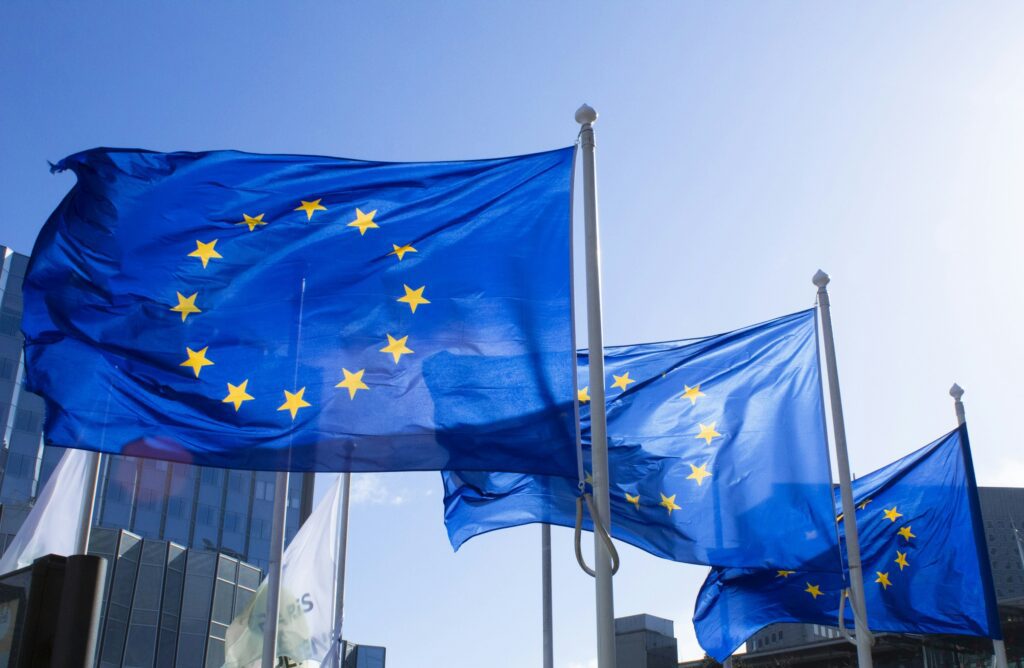
As of 12 August 2026, the first obligations under the European Packaging and Packaging Waste Regulation (PPWR) will become applicable. Since our previous update in June, we have continued to work intensively on collecting supplier declarations, technical documentation and supporting evidence required to meet the obligations that apply to us.
At the same time, we believe it is important to emphasise that there is a distinction between complying with the legal requirements and having a fully developed compliance dossier. Over the past months, we have focused on establishing the minimum required supporting documentation, records and declarations needed to demonstrate our compliance. These documents are now available.
“Both before and after 12 August, we will continue to expand and strengthen this supporting documentation.”
We are therefore still actively engaging with our suppliers, particularly regarding the requirements under Article 5: Requirements for substances in packaging. Together with our professional partner FoodChain ID, we have worked extensively on preparing the appropriate general declarations and supporting documentation. The first documents covering these and the other relevant articles and topics have now been published on our PPWR information page.
1. Requirements for substances in packaging (Article 5)
- Declaration of Conformity per Product Family (F1 to F12)
Definition of a product family:
A group of packaging products that share the same compliance-relevant characteristics and for which the same conformity assessment and technical documentation apply.
Available documentation:
Declaration of Conformity per Product Family
Risk Assessment Article 5.1 (Extended)
Risk Assessment Articles 5.4–5.5 (Summary)
Risk Assessment Articles 5.4–5.5 (Extended)
The Risk Assessments have been prepared by FoodChain ID. They are based on all supplier declarations and supporting documentation collected to date. Together, these documents constitute the minimum level of supporting evidence required to demonstrate compliance.
Additional information
Supplier Declarations
Our Statements and Risk Assessments have been prepared on the basis of all available supplier declarations and the supporting documentation received from our suppliers.
Testing and Test Results
As an additional level of verification, we will conduct independent laboratory testing for relevant products to verify the supplier declarations received and further strengthen our compliance. Further details will be published as soon as they become available.
Heavy Metals
Food Contact
Heavy metals have long been included in our existing Food Contact Declaration of Conformity (DoC) and are therefore already covered within our compliance system.
PCR Raw Materials
For PCR raw materials, the concentrations of heavy metals will also be stated on the certificates of analysis received from our suppliers. To periodically verify this information, we will carry out internal spot-check analyses on a sampling basis. This enables us to confirm that the supplied materials correspond with the declared values and that the supplier declarations are verified in practice.
2. Making Technical Documentation Available
All relevant technical information is included in our Technical Data Sheets (TDS). For this reason, we refer customers to the applicable TDS for technical specifications.
Over the coming weeks, the structure of the TDS documents will be updated with limited adjustments, including the addition of PPWR-related information where appropriate.
3. Recyclable packaging (Article 6) & Minimum recycled content in plastic packaging (Article 7)
The obligations under Article 6 and Article 7 do not yet apply. The European Commission still has to publish additional guidance, delegated acts and implementing acts before these requirements become applicable.
Nevertheless, we are already receiving many questions on these topics. We therefore want to provide transparency regarding the recyclability of our packaging and the steps we are taking towards the next milestones on the PPWR timeline.
Article 6 – Recyclable packaging
- RecycleChecks based on the Verpact/KIDV methodology.
Article 7 – Minimum Recycled Content in Plastic Packaging
- RecyClass Recycled Plastic Traceability Certification as independent verification of the recycled plastic content in our rPP packaging.
FIRE-OFF
Our FIRE-OFF programme serves as a practical example for both Articles 6 and 7 by demonstrating the actual collection, recycling and use of recycled material in our packaging within a closed-loop plastics value chain.
Finally
The challenges we face in collecting the required supplier declarations and supporting data are not unique. Almost the entire packaging value chain is facing the same challenge and is working under significant time pressure to collect the necessary information and prepare the required documentation. However, postponement is not an option. The European Commission has confirmed that the PPWR will apply from 12 August 2026, and the deadline continues to approach.
After 12 August, we will continue to work together with our suppliers to further expand, update and strengthen our supporting documentation, declarations and technical records.
For the complete and legally binding requirements, we refer you to the final Regulation, the accompanying secondary legislation and the officially published documents of the European Union: Regulation – EU – 2025/40 – EN – EUR-Lex.
For a detailed explanation of each article, please visit our PPWR information page, which will be updated regularly with new knowledge, guidance and supporting documentation.
