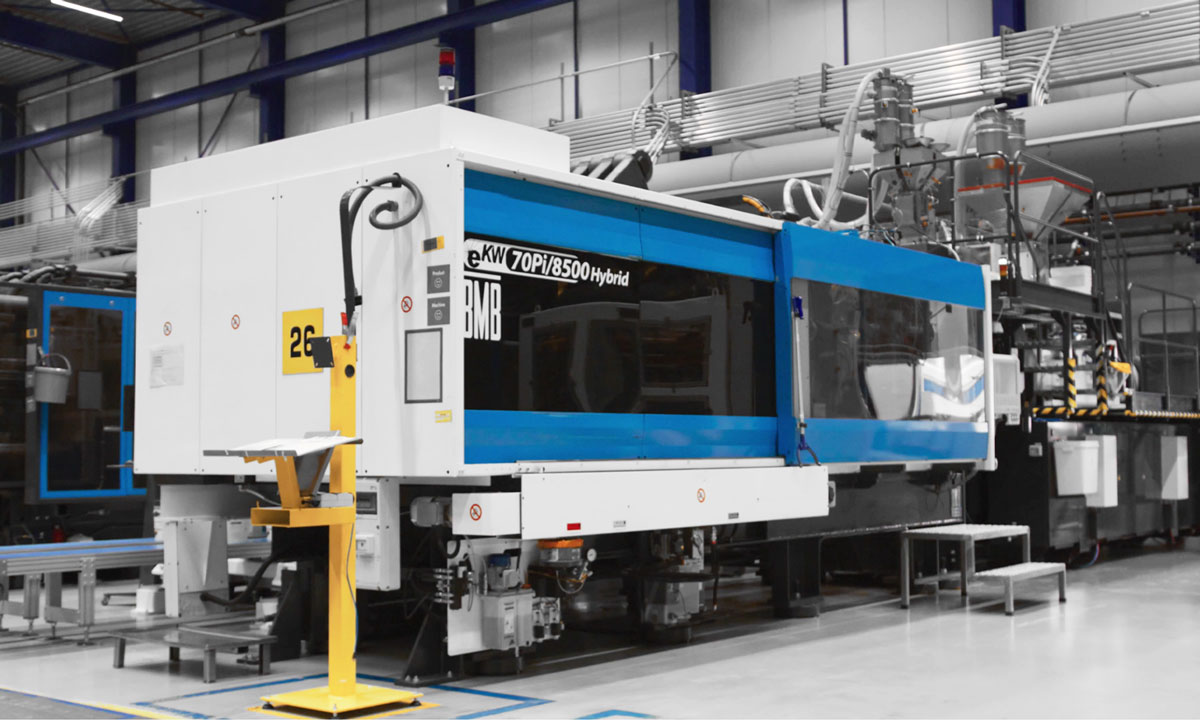
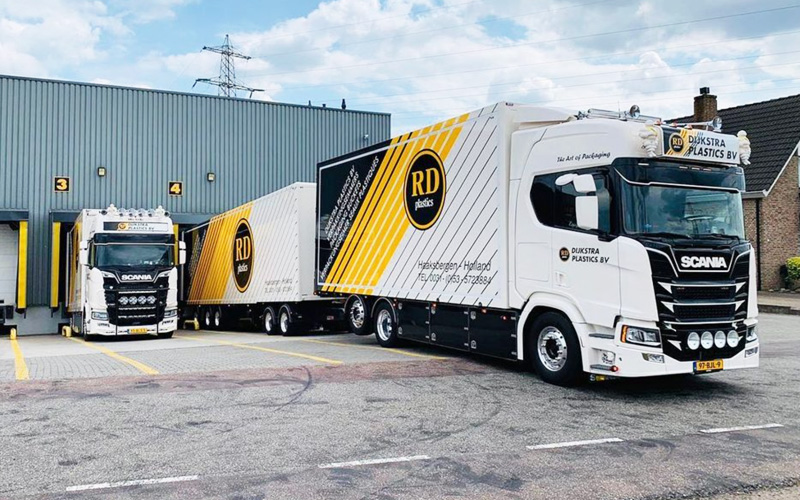
The application of new production techniques and efficient (production) processes leads to less and less waste, energy consumption and CO2 emissions. Good examples of this are:
- replacing our older injection moulding machines with new more sustainable installations;
- sustainable process cooling systems;
- a LEAN work environment;
- and transport with maximum load.
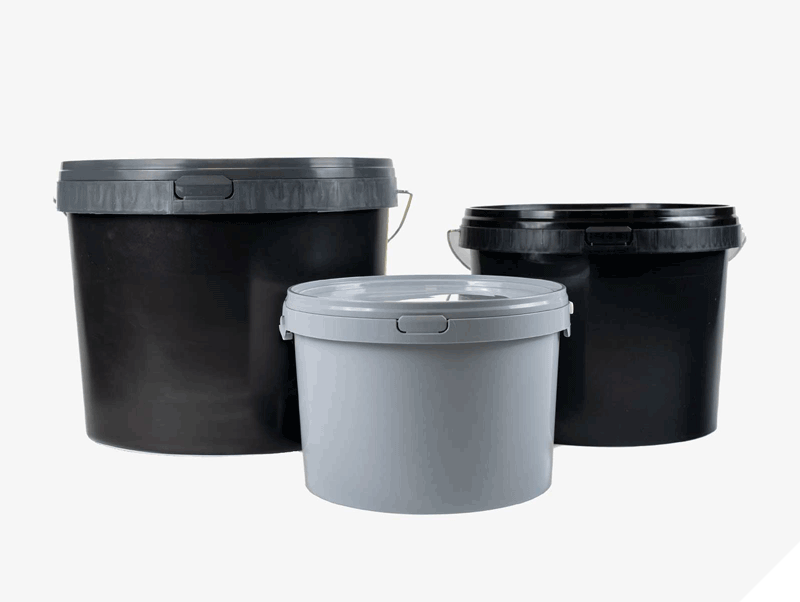
All of our products are made from polypropylene (PP) and 100% recyclable.
We strive to provide all our customers from the non-food industry with buckets made from 100% recycled plastic. This way we do not have to use new raw materials. Also a CO2 saving of more than 50% can be achieved per bucket.
View the buckets that can be produced from 100% recycled plastic here.
Green energy
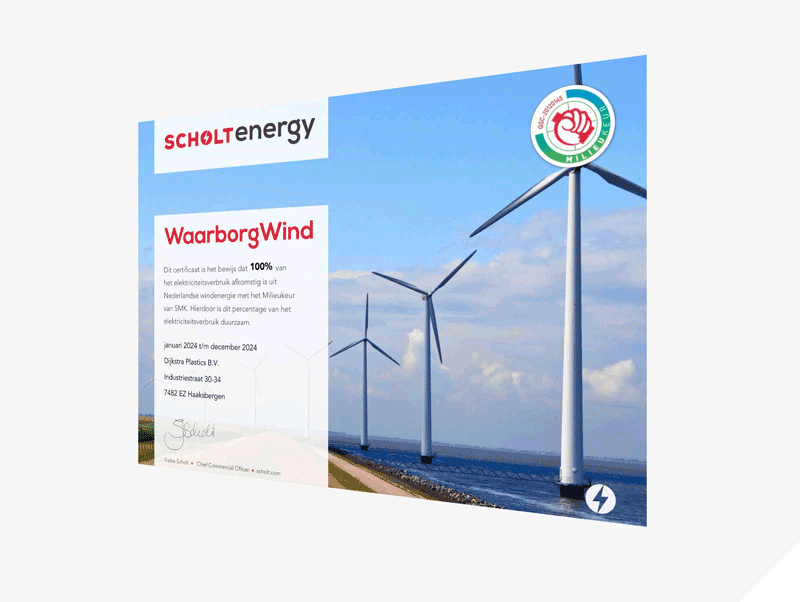
The certificates below shows that 100% of our electricity consumption comes from Dutch renewable sources.
Certificate(Haaksbergen) Certificate (Almelo)
Plastic Pact Nederland
The Plastic Pact is an initiative of the Dutch government that consists of a platform of parties that deal with single-use plastic products and packaging.
Dijkstra Plastics is the first producer of plastic bucket to take its social responsibility by sponsoring a startup (called FIRE-OFF) that – for the benefit of end users – collects used plastic buckets and ensures their recycling into granules.
After FIRE-OFF has collected the used buckets from its customers, Dijkstra Plastics turns them into new buckets. In this way we create a closed loop together with the end user and offer used buckets a 100% guarantee of a new life.

Packaging and Packaging Waste Regulation (PPWR)
On December 19, 2024, the EU adopted the PPWR, officially known as the final Regulation on Packaging and Packaging Waste (EU 2025/40). This regulation aims to facilitate the transition to a circular and competitive economy for packaging and its associated waste.
This legislation affects the entire value chain, which is why, as a packaging producer, we would like to inform our customers about its implications. We will closely monitor the relevant chapters that apply to us as producers of packaging buckets and to you as a customer. Wherever possible, we will share important developments and requirements with you.
